The Three Essential Filters
If you’re working with an SLR or a high end point and shoot camera, it’s likely that you’ll have the ability to use filters. Filters are additional pieces of glass or plastic that are placed over the lens to achieve certain effects or modify the light entering the lens. Here are the three most common types of filters that are essential tools for any photographer looking to excel.
Ultraviolet Filters:

As the name suggests, a UV filter will block ultraviolet light from entering the lens. Ultraviolet light is not visible to the human eye, but can cause a slight haze in your photos in some bright conditions. The effect of a UV filter is barely noticeable though, and the use of a low quality UV filter may harm your photos contrast, increase lens flair or add a slight colour tint. Using a Multicoated UV filter is the best way to avoid reduction in image quality. Above all, UV filters are mainly used to protect your lens. Having a UV filter over your cameras lens is a great way to keep it safe and scratch free.
Polarized Filters:
Polarized filters use polarized glass to eliminate glare and reflected light. The result of this is a crisper photo with higher colour saturation, sharper colours and, most prominent of all, a deeper blue of the sky. A polarized filter is an essential tool for a landscape or outdoor photographer due to the vibrancy it adds to a photo. If you’re interested, be sure to get a circular polarized filter as a linear filter won’t work on a modern digital camera. A polarized filter is one of the best things you can buy for your camera.
Neutral Density Filters:
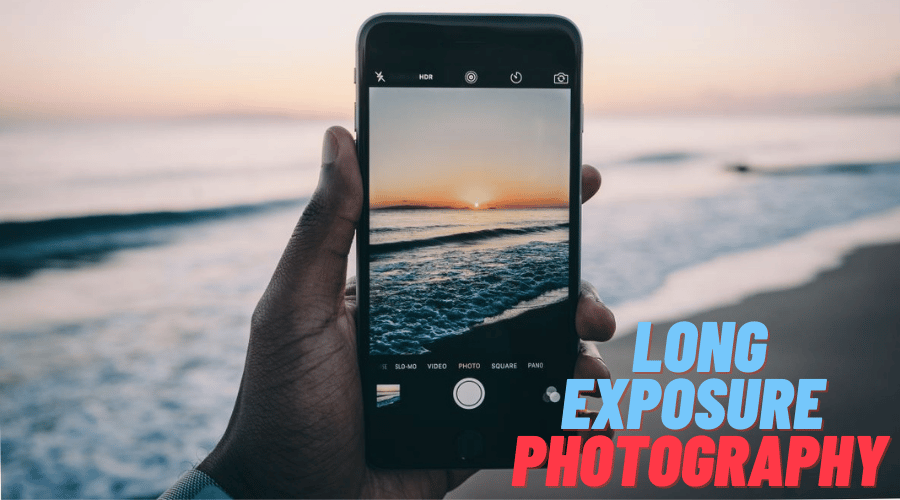
A Neutral Density or ND filter effectively acts like a pair of sunglasses for your camera. They’re used to reduce the amount of light passing through your lens. This means you can use longer exposures in daylight conditions. An ND filter will allow you to capture silky smooth water, use a shallow depth of field or capture the motion of an object, even in bright conditions. It’s not wise to use one of these filters permanently though, as they can reduce the saturation of your photo.

There are many different levels of ND filters, all of which hold a different level of darkness. Typically, the title of the filter will denote the fraction of light allowed through by the filter. For example, an ND 64 filter is a strong, dark filter than allows just 1/64th of the light through. An ND 4 filter however is a weaker filter that cuts out all but 1/4 of the the light. ND filters aren’t an essential photographic item, but they’re a great tool for the experienced photographer who likes to photograph waterfalls or capture other forms of motion.


16. Aug, 2010 


Author