Megapixels

Megapixel-graphic2.jpg

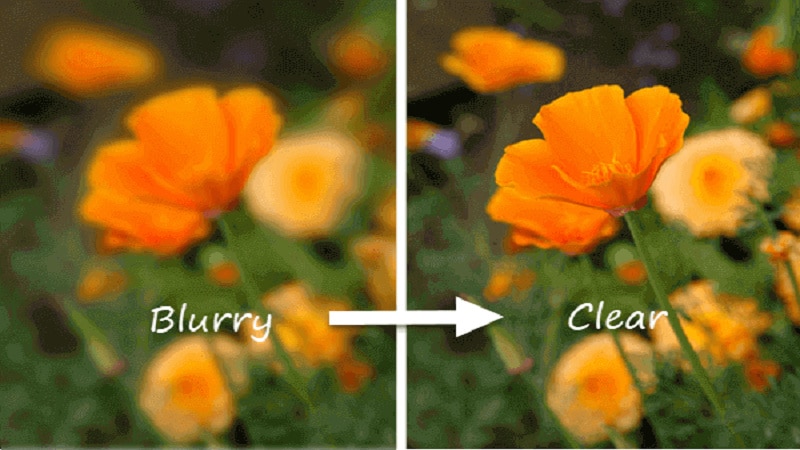
Comparing different resolutions. The left has a higher resolution than the right.

If you’ve been following the digital camera market for the past few years, you’ll have noticed the recent flood of high megapixel cameras. We’re now seeing consumer digital cameras with in excess of 20 megapixels, and even mobile phones with resolution as high as the entry level SLRs. But what is a megapixel? What difference does it make? And more importantly, how many do I need?

We’ll start by going over the basics of how your camera works. Regardless of the size and expense of your camera, behind the lens lies a sensor known as a CCD (Charge Coupled Device). It’s this sensor that replaces the film used in traditional cameras. The CCD is comprised of many tiny ‘photosites’ that collect the light coming in through the lens and then converts it into an electric form. This information, after it’s been stored, is then reassembled onto your screen as the photograph you captured.

A pixel is a minute location on the CCD that contains a photosite, a micro lens to focus light upon the photosite and other electronics. The word megapixel of course can be split into two. Mega, and pixel. Together this means million pixels. When you see that a camera has 4 megapixels, it of course has 4 million pixels.

But how many do I need? Well, this depends entirely on what you want to do with your photos. More megapixels means more detail in your photos, which will allow you to view and print your images in a larger size. Too many though in a cheap camera and you’ll find the camera maker has sacrificed the quality of the image just to make it bigger.

Realistically all the normal camera user needs is around 3 megapixels, because this has the potential to fill an A4 sheet. Even 2 megapixels is ample for most people as it will give you a 6×4 print (the standard photo print size), with no sacrifice to quality.

It’s best though that you don’t limit your megapixels depending on what you think you’ll need, because if there’s a nice photo you want to print out and frame for the family, then you’ll be kicking yourself because your camera wont have the ability to do that.

My verdict is that, if you’re looking for a normal camera for occasional use, you aim for around 6 to 8 megapixels. Even a 6 megapixel camera will allow you to print out an A2 sheet (42 x 59cm). Whilst it’s likely you’ll never need to print your image in this size, or even half of it, it’s always nice to have a high resolution image to look at, and, if for whatever reason you wish to zoom in or crop your image, 6 to 8 megapixels will cater for this. Also, it’s worth noting that in the current camera market, low megapixel cameras are hard to come by and most consumer cameras are averaging 6 to 8 megapixels. This means that you can find one of these cameras at the cream of the cost. They’re in the cheaper market, so, if you shop wisely, you can find a fantastic 6 megapixel camera packed with usable features at an excellent price.

Twitter Digg Delicious Stumbleupon Technorati Facebook Email
This post was written by .

"Hi I'm Ash Davies, the founder of PhotoGuides. I'm an 18 year old Australian student with a passion for photography and design, and PhotoGuides is my excuse to learn cool new stuff. You can also join me on Twitter and Facebook."

  • http://www.digitalcamera-accessories.net Gregory Despain

    Some interesting information on cameras, thank you! I found lots more information like this over here

  • http://www.youtube.com/user/sizzlersconscience Sizzler76

    My camera is 10 megapixels I presume its too much. will it be sacrificing quality?

    Thanks

    Jack

  • http://www.photoguides.net/colophon Ash Davies

    It really depends on the price or type of camera. If you have an SLR then no it shouldn’t be sacrificing quality. If you have a quality point and shoot camera then it should be fine also.
    The only time that the higher megapixels really suggest degraded quality is with the cheaper cameras, usually around the $100 mark.