Foolproof Techniques for Getting your Lighting Right

By Kevin Paul
March 3, 2012 from Photography,Tips and Tricks

Foolproof techniques for getting your lighting right

Got a gig for wedding photography but stressing about it being overcast and not getting the right light? Or maybe you have to do a bit of family photography but don’t know how to get that happy family “glow” in your photo?

Getting the lighting right is crucial for a good photo. In some situations, you will be able to control aspects of your lighting, however, sometimes you will just have to make do and still produce great photographs. Here are some tips to help you manipulate your lighting and produce great photos every time.

Natural Lighting

Unless it’s portrait or family photography studio, chances are you will have to make the most of natural lighting when you’re taking photographs. However, this doesn’t mean you can’t manipulate it to suit your needs.

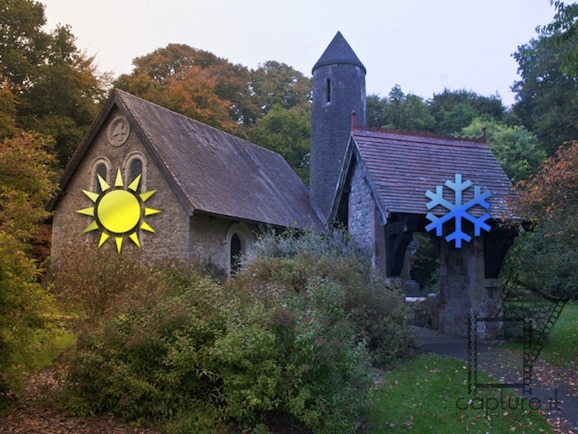
The ideal time for photography in natural light is sunrise and sunset. With the sun low in the sky, the warmth of the light is ideal no matter what the subject of your photographs. But even if you can’t get a photo during these times, pick any time early in the morning or early evening when the sun is low for attractive, natural looking photos.

Flash Lighting

Most photographers dislike the flash with a passion…and not without reason! Using a flash for your photo can create dark shadows where they don’t exist and mute colours and make them appear unnatural. However, the flash can’t always be avoided so keep these tips in mind:

  • If you’re trying to take a picture at a distance with a flash, it’s not going to work. The flash only reaches about 5 to 7 feet.
  • “Red eye reduction” seems an exciting feature to incorporate but don’t use it! This blurs your photos as the photos take longer to snap. So, for wedding photography, leave out the red eye reduction or you’ll lose the spontaneity of your subjects.
  • Learn about white balance and change the settings on your camera before you use the flash.
Foolproof techniques for getting your lighting right

Backlighting

Backlighting is a great skill to practice as a photographer and with a little practice you could produce beautiful photos. Manipulate your scene and subject so the light is behind the subject of your image. Turn your flash settings on to create a bright light in front of the subject. The brightness of the flash will neutralise the light behind the subject, resulting in a good photo.

Low Light

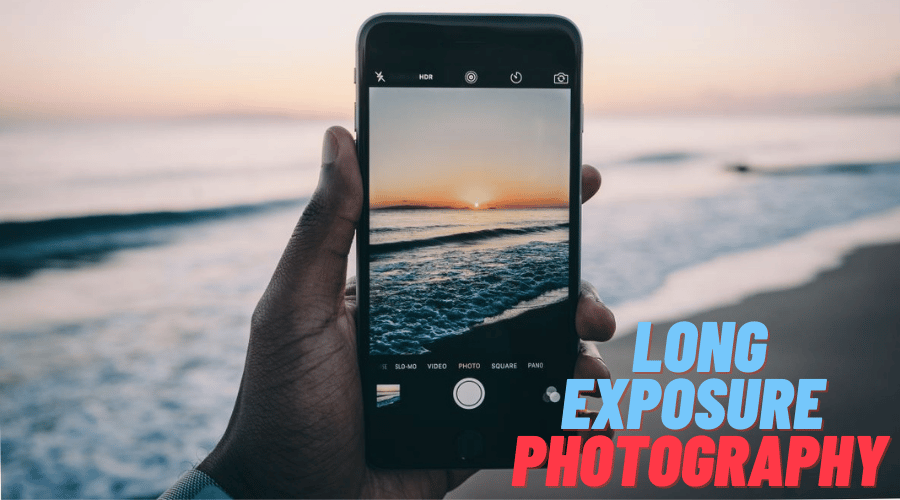
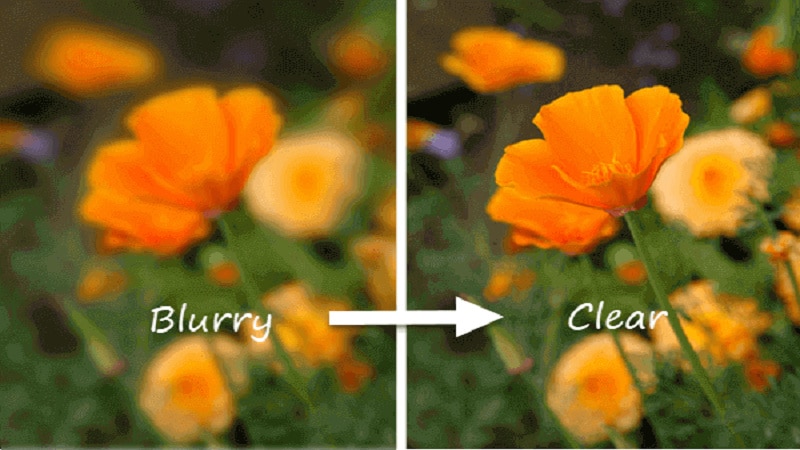
If you have to take photos in low light or poor lighting conditions, consider using a tripod. In low light conditions, the shutters in a digital camera slow down to make up for the lack of light. The slower shutter speed creates blurry pictures due to camera shake and this will end up resulting in unclear shots.

Obviously, you can’t create light where there is none, so introduce a tripod instead. Place your camera on the tripod to eliminate camera shake and this will help you get clearer shots even in low light.