Exposure

Exposure-Graphic2.jpg

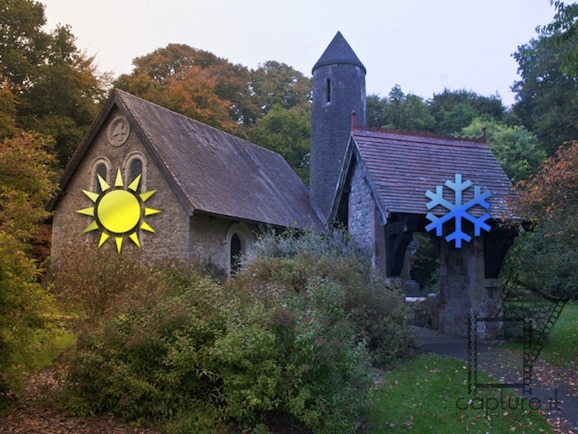
Comparing different exposures. Pretty easy to pick. The left side has a higher exposure than the right.

It’s been stated that the lighting and vibrance are the most important aspects of an image as they capture the mood and essence of a scene. Every time you look at a photo you should feel like you’re right there, and this makes exposure one of the most vital factors towards capturing that perfect photograph.

Exposure can be defined as the amount of light that reaches your cameras sensor in a photo. A longer exposure will give you a brighter image, and of course a shorter exposure will give you a darker one. There are three elements which control your images exposure. Your shutter speed, the aperture of the lens and the cameras sensitivity to light (ISO). When your camera is on auto mode, it will use a metering system to try and keep your image properly exposed, and it does so by adjusting any of these three elements. But just what part do these three aspects play?

Shutter speed refers to how fast the shutter of your camera opens and closes, exposing the sensor to light. On most cameras the shutter speed can be changed from 30/1 to 1/4000. This means the shutter can stay open for 30 seconds right through to just one four thousandth of a second. By using a longer shutter speed, you will let more light through to the sensor, making a brighter photo. Likewise, a fast shutter speed will let less light through, making a darker photo.

Your cameras Aperture is the small adjustable opening which all light passes through in order to reach the lens. The size of the opening is displayed in F-stops. Each F stop is a level of size. Most cameras range from about F3.2 to F8. Despite logic though, as the F stop goes down, the lens opening gets larger. This means F3.2 is the largest opening, and F8 is the smallest. By widening your aperture (lower F stop) you can take a brighter photo, and by making it smaller your photo will be darker. Changing your aperture will also change your images depth of field.

If you’re taking a photo in the dark (or even the light), sometimes adjusting your shutter speed and aperture wont be enough to capture all the needed light. To combat this you can change your cameras ISO and sensitivity to light. On most cameras, the ISO can be changed between 100, 200, 400 and so on, usually topping out at ISO1600. The higher your ISO, the more sensitive your camera is to light.

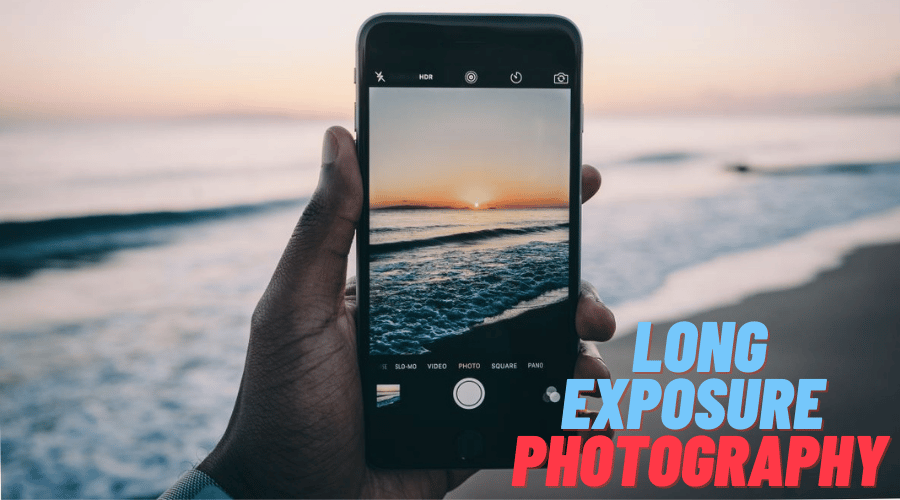
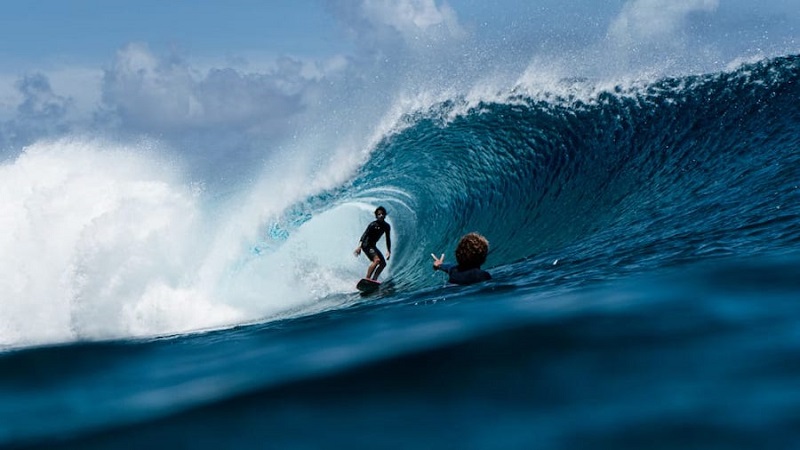
Understanding exposure doesn’t only help with taken an evenly lit photo. By understanding its determining aspects, you can also change your settings to help capture a unique moment. If it’s sport you’re looking at then a faster shutter speed will capture the fast movement, and a wide aperture will compensate for the loss of light. Likewise, if you want to create a blur effect, keep the shutter speed long to let in all the light, and combat this extra brightness with a small aperture. So play around and see just what you can do.

Twitter Digg Delicious Stumbleupon Technorati Facebook Email
This post was written by .

"Hi I'm Ash Davies, the founder of PhotoGuides. I'm an 18 year old Australian student with a passion for photography and design, and PhotoGuides is my excuse to learn cool new stuff. You can also join me on Twitter and Facebook."

  • http://www.photoguides.net/pushing-the-button What really happens when you push the button | Photo Guides

    [...] understand the fine relations between aperture, shutter speed, ISO and anything else that affects exposure. Put simply, this timeline perfectly defines the difference between photography and [...]

  • http://www.photoguides.net/photographing-waterfalls Photographing Waterfalls | Photo Guides

    [...] and flow of the water. In order to do this, it helps to have a basic understanding of your cameras exposure. You’re going to need to increase your aperture (higher F-stop) to minimise the amount of [...]