Depth of Field

Paynesville - Where the calm meets the violent

Bunga Arm of Paynesville. Where the calm lake meets 90 miles of vigorous ocean.

Depth of field is one of the most effective characteristics of a photo. It’s an aspect which clearly separates even the top end point and shoot cameras from the simplest SLR’s. Better still, it’s a simple concept which is incredibly easy to manipulate and, if used correctly, can provide you with professional looking photos.

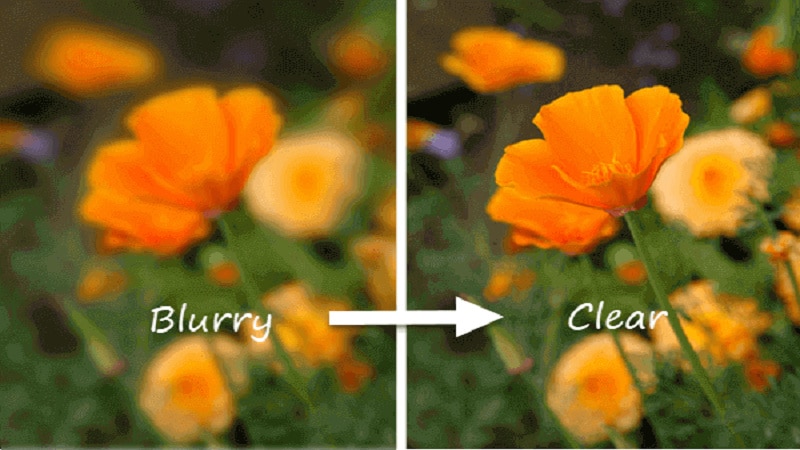
The Depth of Field (DOF) refers to the range of in-focus visibility of the shot, or, in other words, how far you can clearly see. If you’ve seen a photo where the subject is in focus and the background is blurred out then this effect is a result of Depth of Field. In this case we say the photograph has a shallow depth of field. Alternatively, if there is a photo where you can clearly see a significant distance, like above, we say it has a deep depth of field.

Manipulating the DOF is probably as straight forward as it gets, and this is because it’s directly related to your cameras aperture. Basically, a wider aperture will give you a shallower depth of field, and a smaller aperture will make the DOF deeper and give you a greater viewing distance. By zooming in on your subject you’ll find the DOF appears to be shallower, and, if you have a wide angle lens then you’ll find your depth of field to be deeper.

Probably the most commonly used situation for a shallow depth of field is when taking photos of people. You’ll find that the background blurs out and the person in focus is clearly seen and nicely framed, almost as though they are separated from the background. When you switch your camera to portrait mode, a wide aperture will always be chosen to create this effect. The best situation to use a deep depth of field is for landscape shots where you want to capture as far as the eye can see. By selecting a landscape mode, the camera will once again use aperture to create a deep DOF.

But how does depth of field work?

When we see light, we aren’t just seeing one beam, but rather a countless number. If you open the aperture to be wider, then these light rays can enter the camera with relative ease, which causes your subject to be in focus and the background and foreground to be softer and out of focus (a shallow Depth of field). By closing the aperture though, you’re cutting out a significant portion of entry space, meaning that these rays have to enter in a much finer state. This subsequently causes your photo to have a much deeper DOF, and the back and foreground are more in focus than before.

To most people though, none of this complicated explanation really matters. After all, its as easy as pushing a button to make it shallower or deeper. The best way to learn though is of course to experiment and play around for yourself.

Twitter Digg Delicious Stumbleupon Technorati Facebook Email
This post was written by Ash Davies.

"Hi I'm Ash Davies, the founder of PhotoGuides. I'm a 17 year old Australian student with a passion for photography and design, and PhotoGuides is my excuse to learn cool new stuff. You can also follow me on twitter."

Trackbacks/Pingbacks

  1. Photochopz.com – The Best Photoshop Tutorials on the Net » Photoshopping Tilt Shift - 09. Nov, 2009

    [...] Shift Photography is the latest ‘big thing’ in the photo world. It uses a very shallow Depth of Field to transform a scene into a tiny toy from a tiny world. However, it is very difficult to create in [...]

  2. 24 Beautiful Examples of Bokeh Photography | Photo Guides - 22. Nov, 2009

    [...] is one of the most beautiful implementations of aperture and depth of field. By using a very wide aperture, photographers are apple to create an incredibly shallow depth of [...]

  3. Photographing Waterfalls | Photo Guides - 24. Nov, 2009

    [...] variety of photos, each with a different level of blur in the water. Also experiment with different depths of field by bracketing your [...]

  4. Photoshopping Digital Bokeh | Photo Guides - 11. Dec, 2009

    [...] the most incredible implementations of Aperture, as seen in this inspiring collection. The shallow depth of field causes any light in the background to blur into a floating orb. In this tutorial, we go through how [...]

Leave a Reply

Get Adobe Flash playerPlugin by wpburn.com wordpress themes